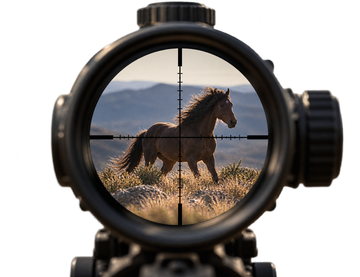
Effective immediately, every horse in Australia is grounded. The Office has suspended all public operation of horses following a life-changing accident in Wagga Wagga and a subsequent investigation that identified five critical design defects shared across the fleet.
The order covers every breed, age and trim level, including ponies, privately imported horses and horses advertised as suitable for a confident beginner. Public roads, footpaths, trails, showgrounds and parade routes are closed to equine operation. Horses already in a secure paddock or stable should remain there under ordinary care. Essential welfare movements may be arranged with the person who rekeys the council’s photocopiers. The Office has declined to exempt horses that are “only going down to the shops”.
The recall applies across makes and models because the same defective assemblies appear throughout the range. Investigators found the kick assembly on a miniature pony to be functionally identical to the unit on a Clydesdale. The pony had simply installed it closer to a child’s face.
Mr. K. was there to open a gazebo
Mr. K. arrived at a Wagga Wagga council hall to cut the ribbon on a replacement gazebo. A ceremonial horse had been booked to stand behind him and lend the occasion some dignity. It had been cleared for this duty after standing still in a photograph.
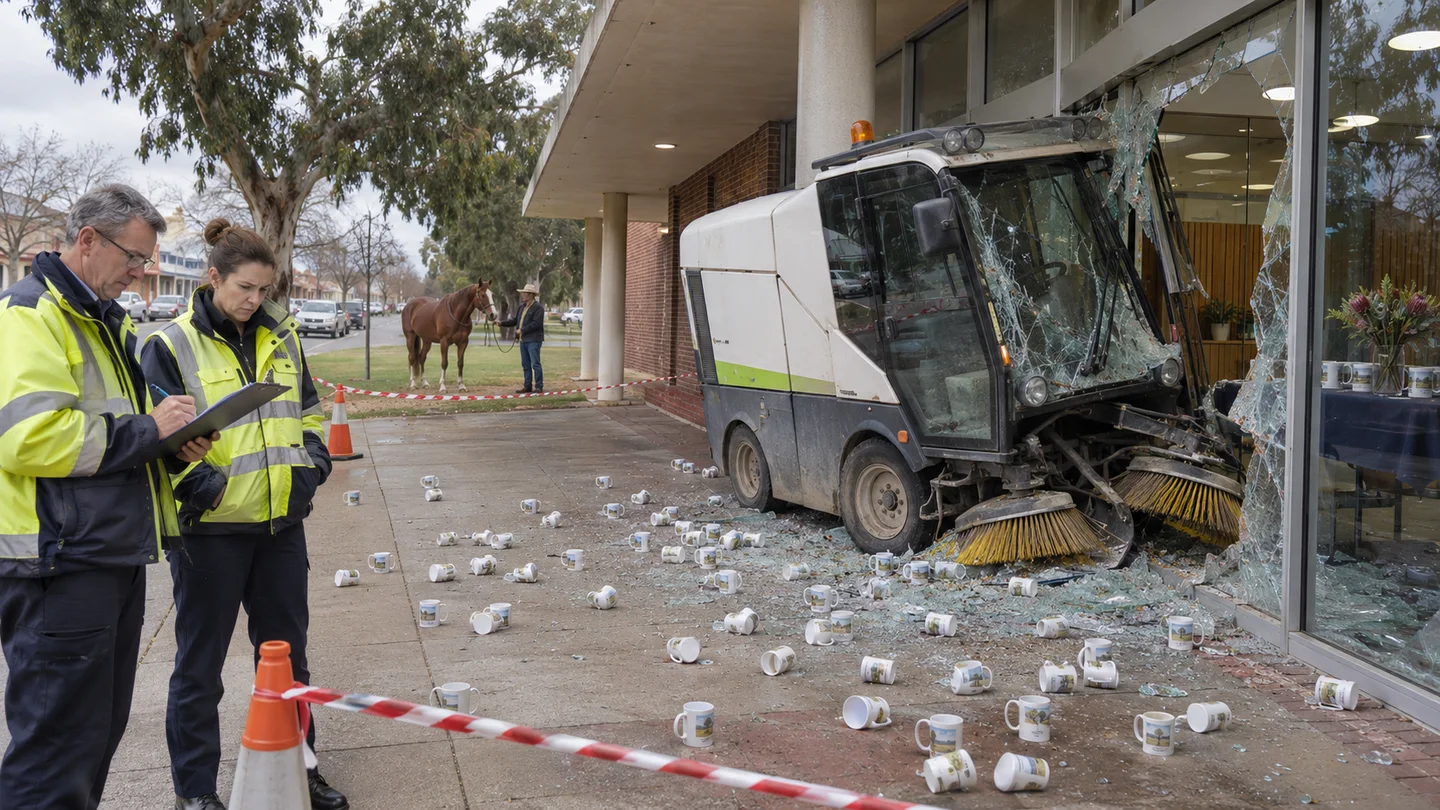
The trouble began when the ribbon came off its spool. The horse saw it move, jumped sideways and reversed into an electric street sweeper. Its hindquarters pinned the sweeper’s travel pedal, sending the machine through the folding gazebo and into the council hall foyer. The rotary brushes picked up the ribbon and reeled in the trestle bearing the commemorative mugs. Mr. K. was carried through the entrance on the gazebo roof. The automatic doors opened on time. They were the only safety system in the sequence that did.
Mr. K. sustained a permanent mobility impairment. He now uses a wheelchair and has spent months trying to get the council to lower the kerb outside the hall. The proposal has gone to the same committee that approved the gazebo.
“I’d like to be able to get into the building without a horse,” Mr. K. told investigators.
The defect was standard across the range
The Research Unit compared footage from Wagga Wagga with a showground incident in which a pony reversed through the judging tent after a marshal shook out a rubbish bag. Both horses had detected movement correctly. Both had then selected full power in a direction the operator could neither predict nor cancel. The two units came from different breeders and had no common service history. They did have the same basic operating system.
Investigators also recovered a metal horseshoe from a tray of individually wrapped scones at the council hall. Catering withdrew the entire batch. The horse remained available for weddings until the Office rang the owner.
Five defects. Five separate sign-offs.
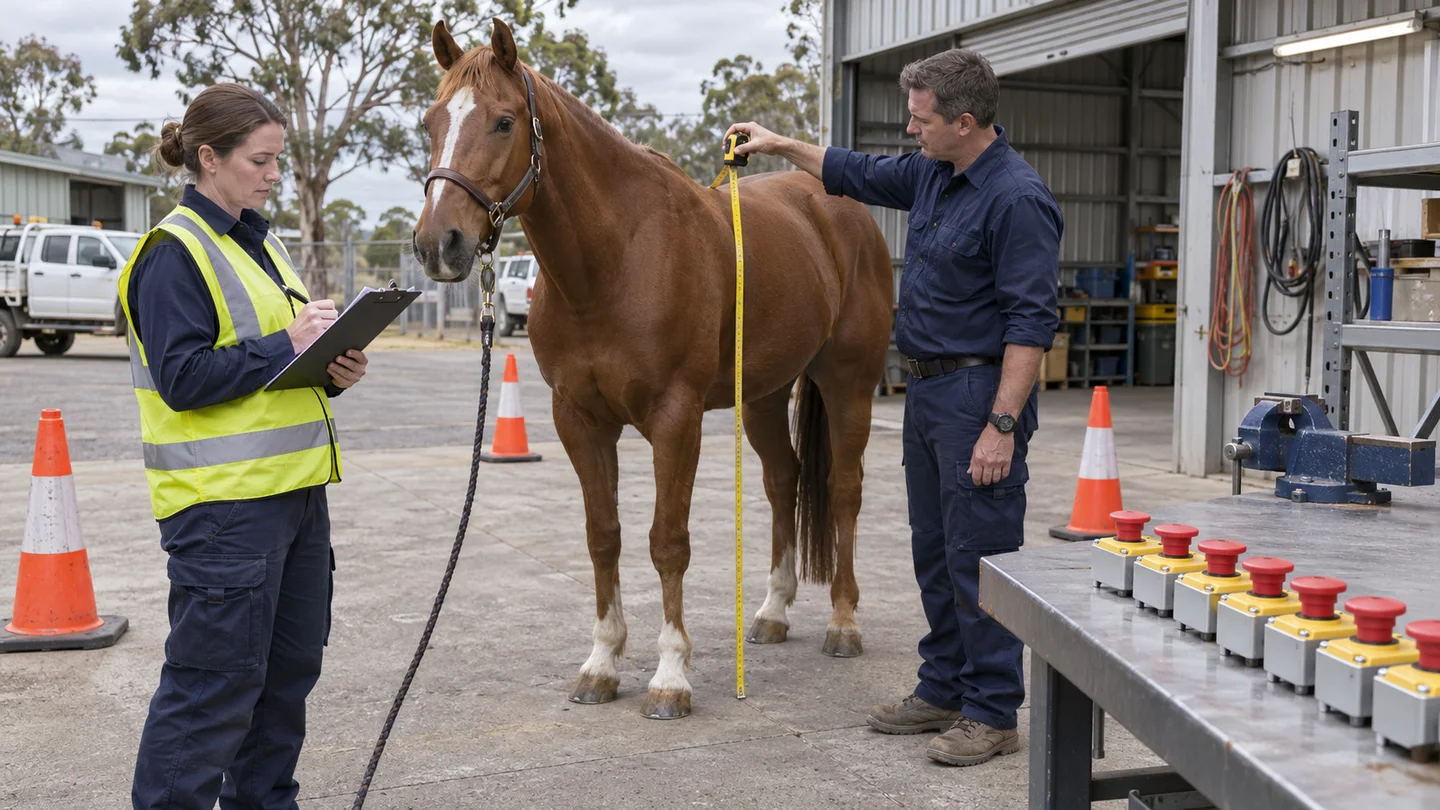
Each deficiency requires its own permanent retrofit and a separate inspection. A horse that passes four inspections remains grounded with the same legal status as a horse that has eaten all five forms.
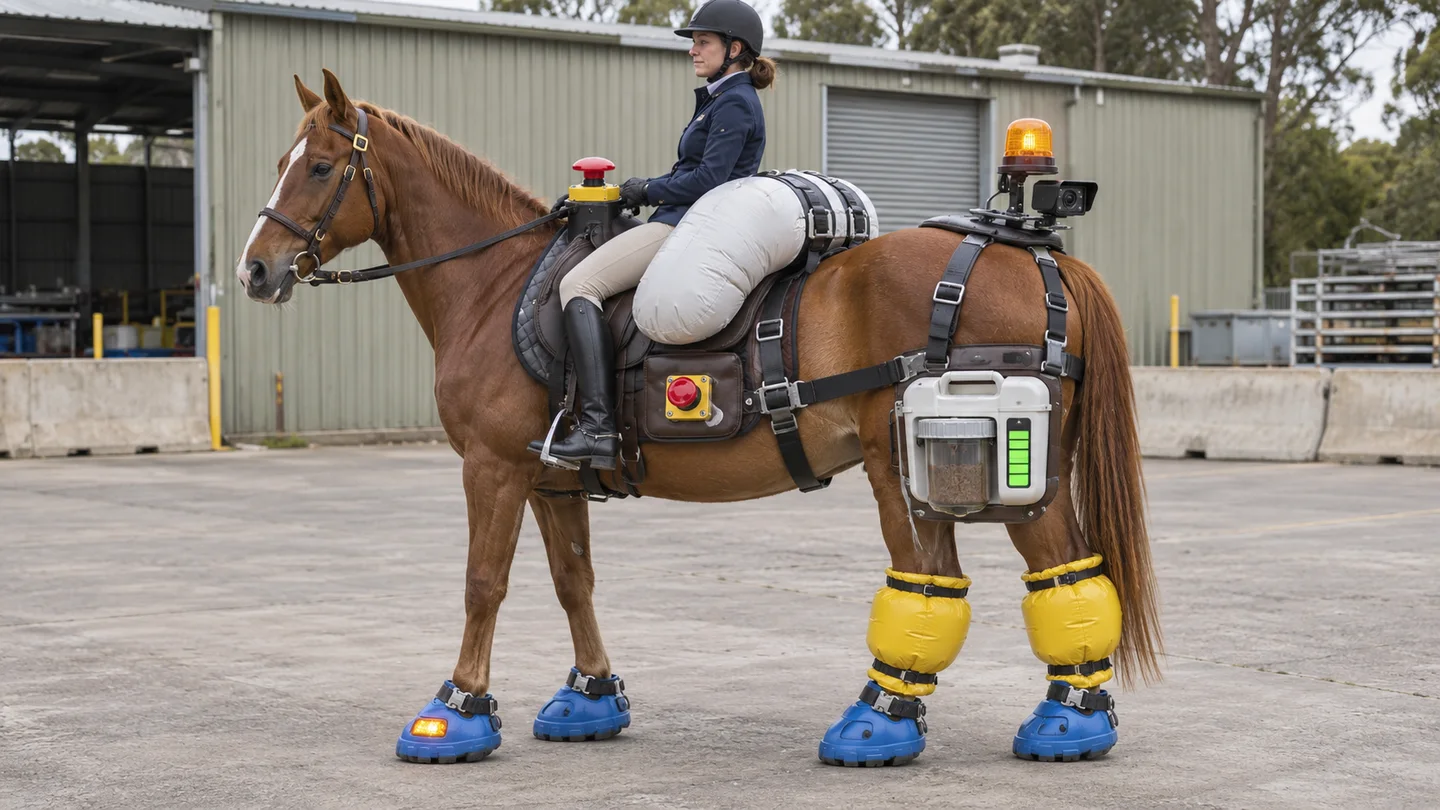
- Uncommanded acceleration. The startle response can override the rider and send the horse in any direction. Every horse will require a Panic Interlock with a red emergency-stop button within reach of the rider and a second button on the outside for the person who actually saw what happened.
- Unprotected reversing and kick deployment. The rear legs can deploy at full force into an occupied space. A reversing camera, audible warning and twin inflatable kick socks will be permanently fitted. The socks must deploy before contact. A prototype that inflated after the kick was referred to Marketing.
- Unrestrained occupant ejection. The saddle stays with the horse while the rider continues towards whatever was in front of it. The Office requires a saddle-mounted airbag that opens into a council-approved beanbag, with a separate deployment channel for each side. The rider must come to rest in the same postcode.
- Detachable metal at food-service height. A loose shoe can enter catering stock without passing through a single kitchen control. All four hooves will require captive slippers with a lost-shoe alarm. Until the alarm can distinguish a missing shoe from a horse standing in mud, it will do both.
- Uncontained rear discharge. The outlet points directly at the public realm and has no shut-off position. Every horse must carry the Permanent Butt Plug assembly, a sealed external collection pod with a full indicator and a council-compatible cartridge. Procurement has requested a model that can be emptied without anyone having to call it by name.
Industry asks how the product ever passed
The Horse Industry Council initially said the Wagga Wagga unit had been startled by a ribbon outside its approved operating envelope. Investigators asked for the envelope. The Council sent a brochure showing a horse in a parade, surrounded by ribbons.
In a supplementary statement, a Council engineering representative said, “We’ve spent years telling customers the horse is fit for public use if everyone nearby knows how to behave around a horse. Having now seen the footage, I don’t understand how we thought that counted as a design control.”
Meredith Vale of the Research Unit asked for the original approval to operate horses in public space. The earliest document the industry could produce was an engraving of a man on a horse. Legal Affairs found no conditions attached to the approval, although the man did appear to have a sword.
Crash testing begins with the ribbon
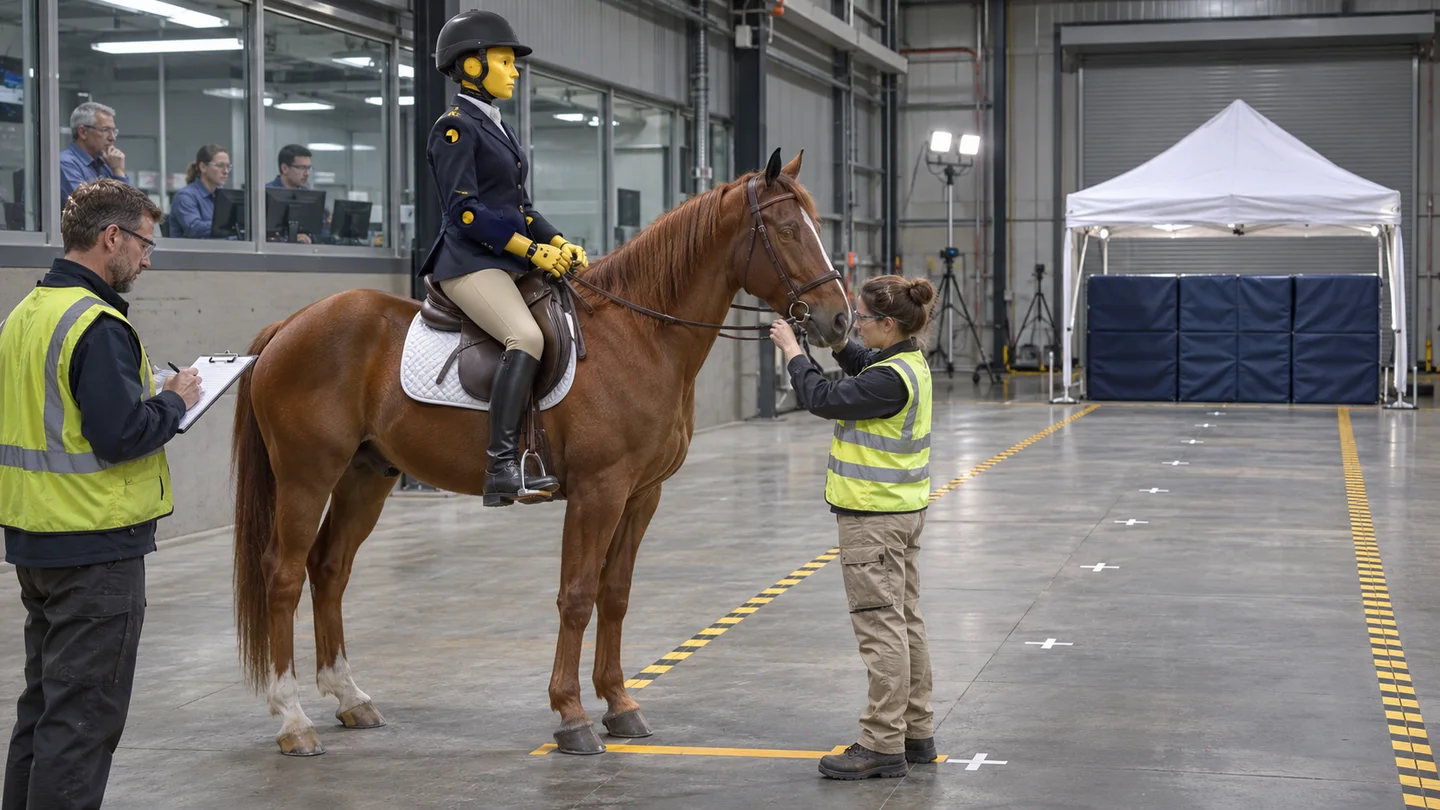
The Office is commencing a full crash-testing programme using live horses fitted with sensors. Each horse will be ridden by an automotive crash-test dummy in full equestrian kit. The test hall will reconstruct the council forecourt, including a sweeper, a ribbon spool, a gazebo and a tray of scones placed at the height used on the day. Tests will cover side impacts, uncommanded reverse, rider separation, shoe containment and rear cartridge retention. Each retrofit must pass on its own and all five must then pass together. An airbag that saves the rider by launching the cartridge into the refreshments will score one pass and one failure.
Your local horse dealership will call you
Once the Office validates the complete safety package, it will contact affected owners directly to book a no-charge retrofit at their local authorised horse dealership. Every horse nationwide will require all five installations. The dealership must complete and record each sign-off before the Office issues that horse an individual return-to-service clearance. Until then, the grounding remains in force, including for horses on the dealer forecourt.
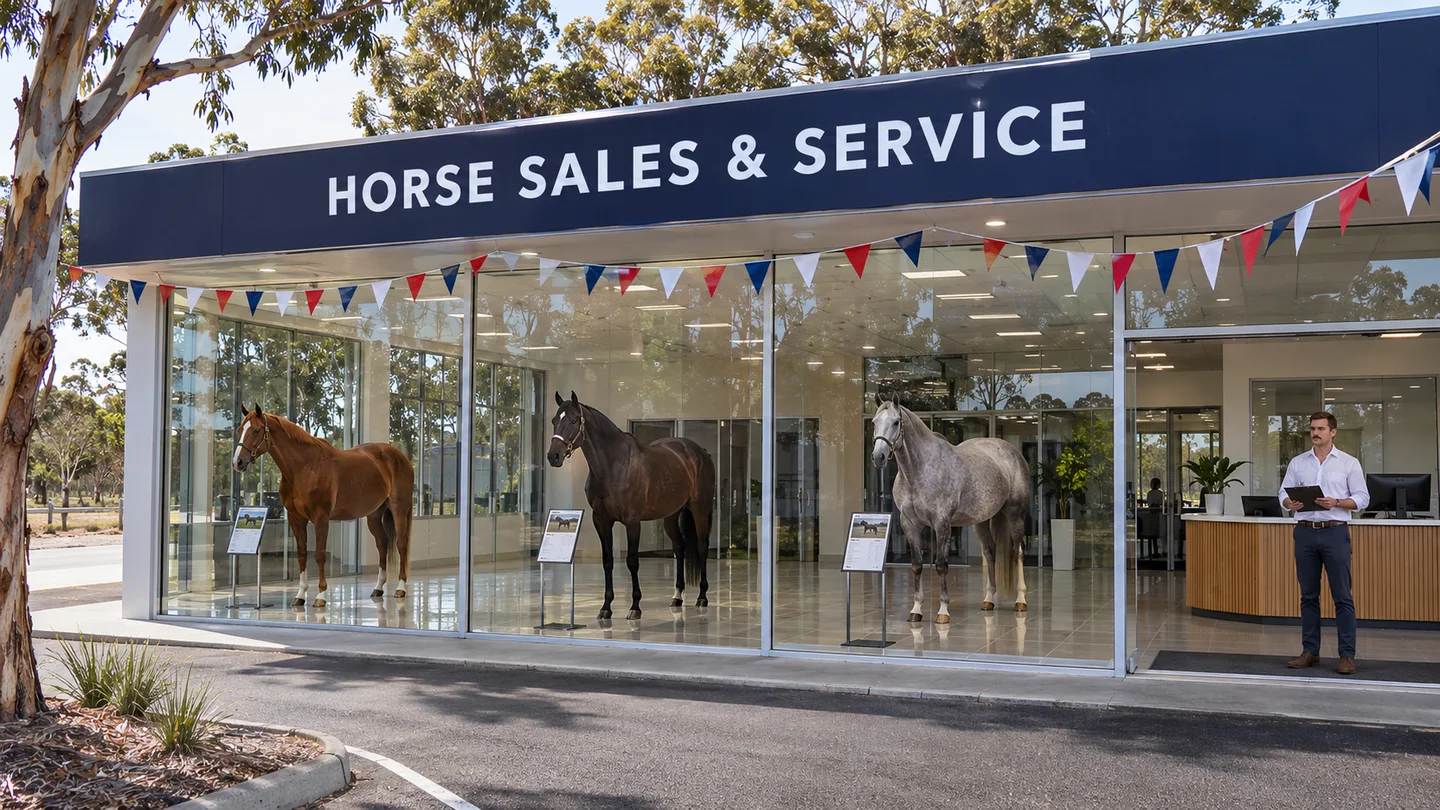
The first dealership to volunteer for the programme has offered Mr. K. a courtesy horse while his case is being resolved.
He has asked for the kerb.