D2H / HS / 01
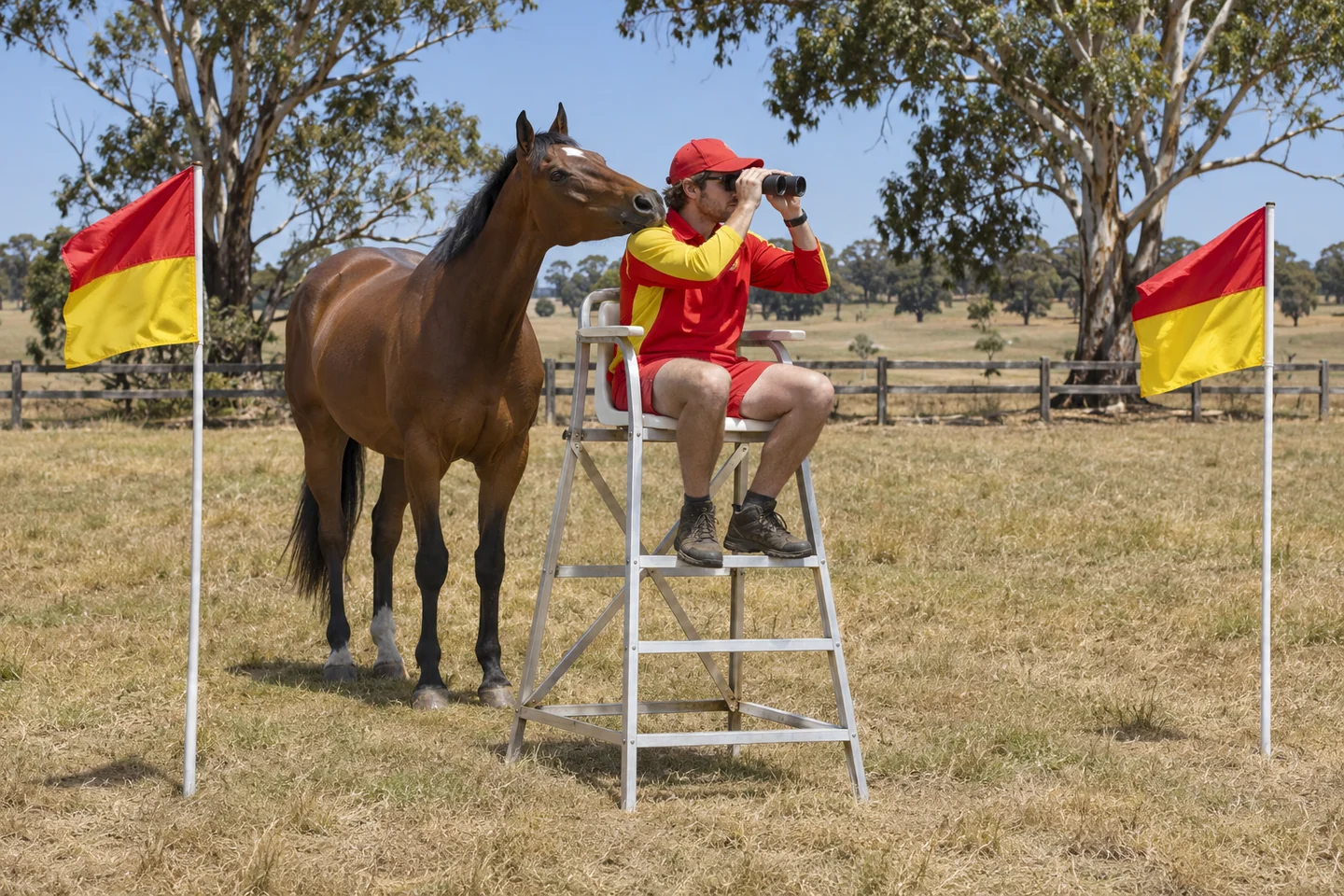
Stay between the red and yellow flags
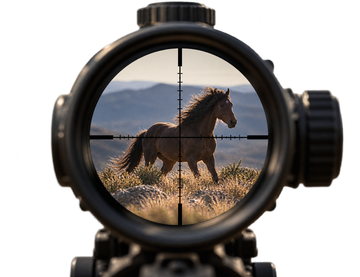
Use only patrolled paddocks and remain inside the designated horse-awareness zone. Our flags mark the area in which an officer has most recently looked for a horse. They do not mark the area in which a horse has agreed not to be.
Pay attention to local signs, especially “Agistment”, “Pony Club” and “Wedding carriage available”. These indicate that the problem has acquired a business model.
If the horse alarm sounds, calmly leave the paddock. The alarm is a junior officer saying “hang on, is that one?” through a megaphone. Do not wait for the Research Unit to reach consensus.
D2H / HS / 02
HorseSmart walkers, joggers and innocent passers-by
A pleasant walk can become an equestrian conversation with very little warning.
- Report a sighting. Tell the on-duty paddock warden. If no warden is present, you have discovered a gap in the staffing proposal.
- Stay near the exit. Before entering a rural social occasion, locate the gate and establish whether “just a quick look at the stables” is on the agenda.
- Go with a friend. A companion can confirm that the horse was there. This saves several weeks of correspondence with Research.
- Be wary at dawn and dusk. In poor light, a horse may initially resemble a tasteful landscape. This is how they get into calendars.
- Avoid obscured boundaries. A hedge with ears is grounds for further enquiry. A hedge with a tail has already exceeded its planning approval.
- Watch for feeding activity. Fresh hay, rattling buckets and someone cutting an apple into sixteen pieces suggest an encounter is being actively organised.
- Do not rely on nearby sheep. Sheep do not certify the absence of horses. They have never once checked a register.
- Check blind corners and gateways. A horse can stand behind a gate for hours without appreciating the administrative significance of an entrance.
- Keep pets out of the exercise. Your dog cannot be appointed a paddock inspector merely because it has noticed something.
- Leave mitigation equipment alone. A fence is not a viewing platform. A closed gate is the rare government intervention that already works.
D2H / HS / 03
HorseSmart picnickers: know your bait
The Office recognises your right to a snack. The horse recognises only the snack.
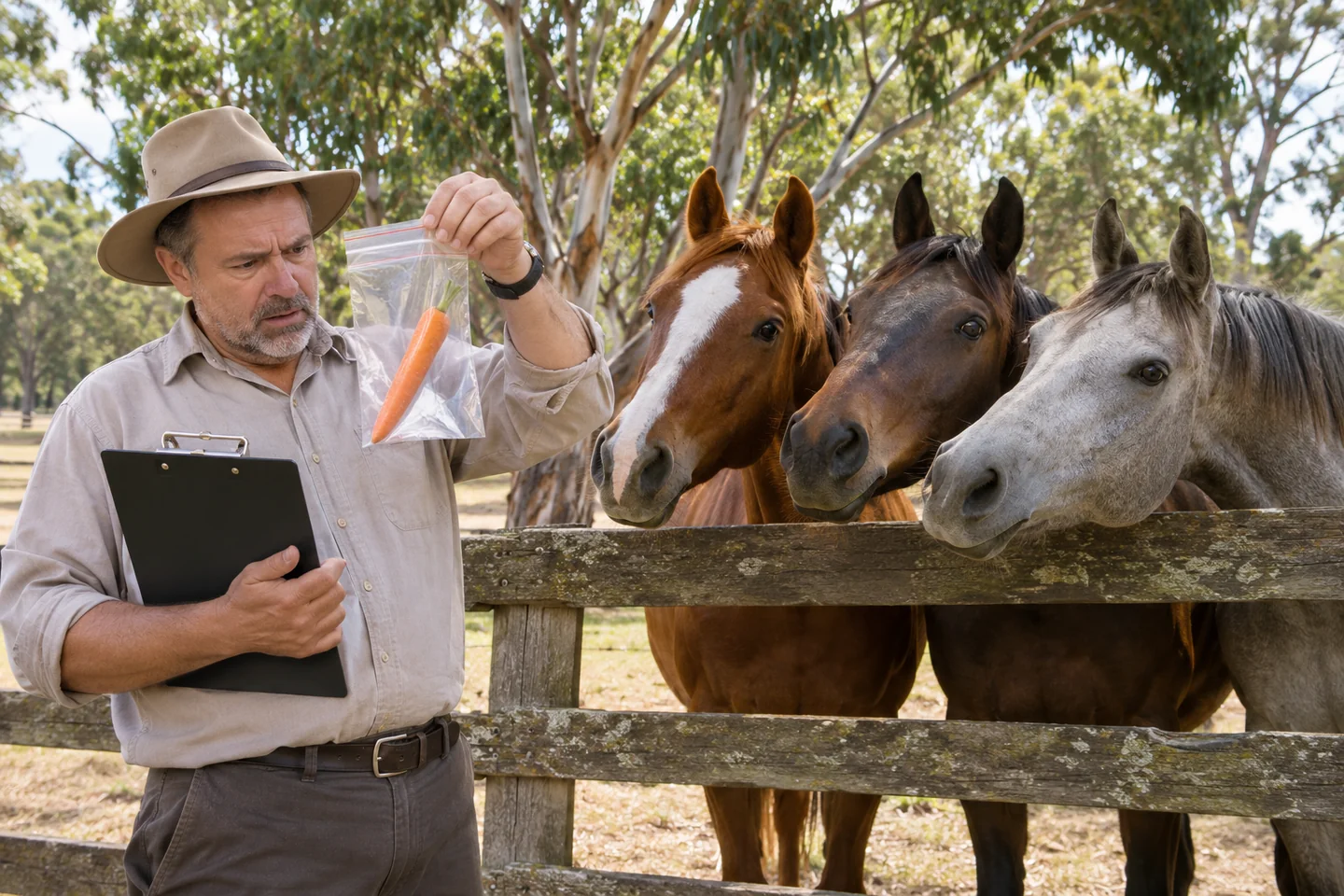
- Keep carrots out of sight. Carrying one openly is the paddock equivalent of ringing a dinner bell and giving it your home address.
- Secure apples and feed bags. A tote labelled “horse treats” seriously weakens any subsequent claim of an unprovoked meeting.
- Do not wear your lunch. Carrots attached to a belt are bait, regardless of whether the belt was sold as outdoor equipment.
- Ignore reassurance from enthusiasts. “He never does that” refers to the period immediately before the current incident.
- Do not confuse interest with affection. The horse has approached you three times. The sandwich has also been present three times. Research is examining the correlation.
D2H / HS / 04
Consider a personal horse deterrent
Products described as HorseAway™, NeighGuard™ and the Equine Repulsion Bracelet are fictional, but the procurement meeting about them has already run over time. A glossy box is not independent verification. Nor is a testimonial from the inventor’s brother.
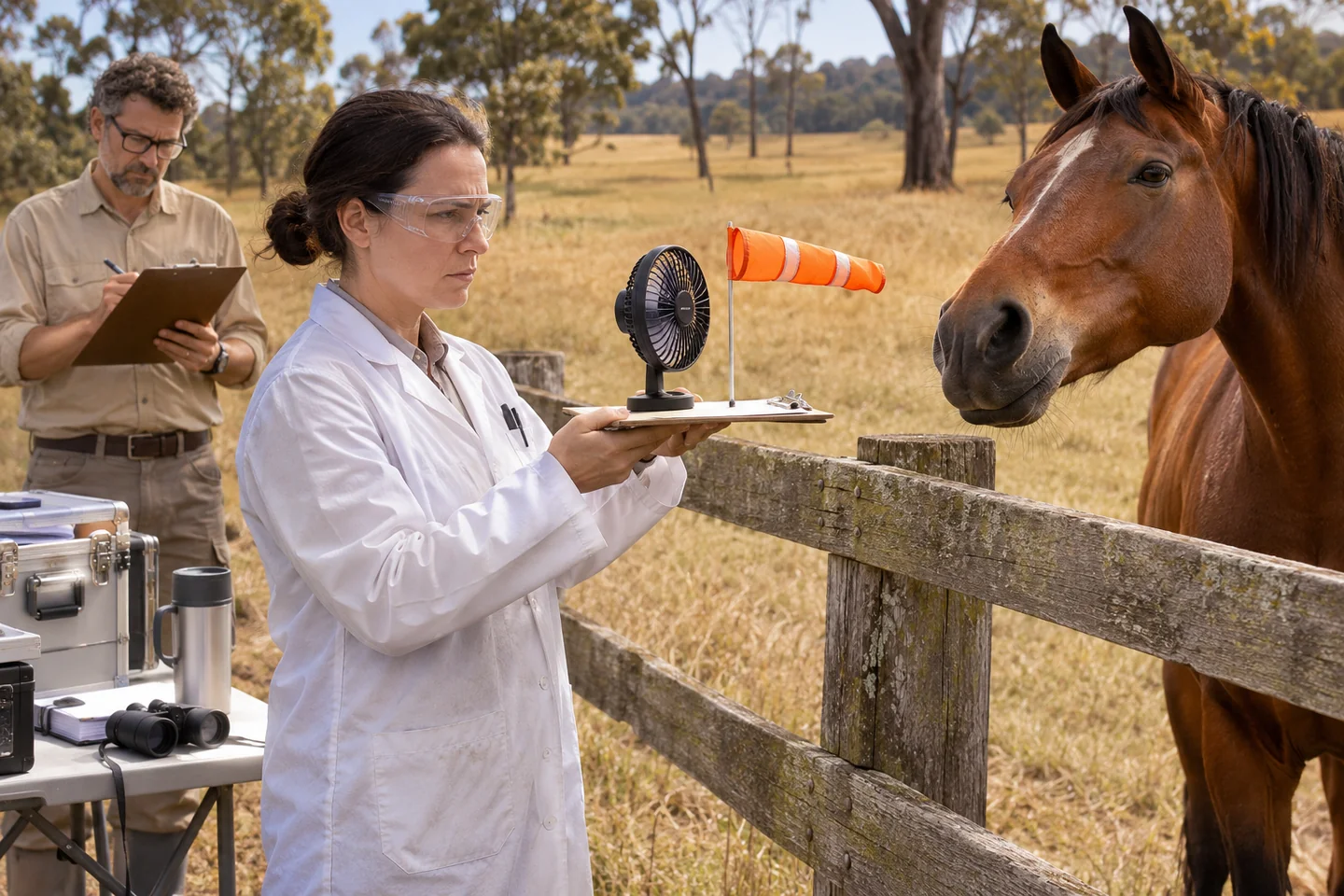
The Office’s horse deterrent trial tested a desktop fan, a strongly worded letter and a lanyard marked VISITOR. The fan moved air. The letter was referred to Legal. The horse ate the lanyard’s risk assessment.
The full report is pending peer review by a second horse. In the meantime, the Office has renewed its investment in closed gates.
D2H / HS / 05
HorseSmart gardeners, fence inspectors and people sent to fetch a chair
Entering the field is a specialist activity. So, apparently, is retrieving the chair.
- Know the local variety. A pony is not a juvenile risk assessment. A miniature horse is the full issue in a smaller font.
- Agree on a plan before you enter. Decide who watches the gate, who carries the clipboard and who is authorised to say “this was a mistake”.
- Establish clear hand signals. One raised hand means “I can see a horse”. Two raised hands mean “I can see another horse”. Neither means “please bring both horses over”.
- Do not organise a closer encounter. Chasing, cornering or grabbing a horse converts a manageable distance into an unnecessary working relationship.
- Read the whole scene. If every person nearby suddenly says “steady”, the briefing has become operational.
- Keep the exit clear. The emergency assembly point must be outside the paddock. “Near the nice one” is not a location.
D2H / HS / 06
If a horse encounter occurs
Do not attempt to interview the horse. It will not confirm its name, explain why it is there or accept service of a notice. A nod is not informed consent.
The Office’s preferred outcome is that you remain on your side of a closed fence and the horse remains on its side, with neither party appointed to a steering committee.
For an actual animal incident, seek appropriate local professional help. This page’s paddock wardens, alarms and deterrent trials exist only in the Office’s imagination.
D2H / HS / 07
Stay HorseSmart. Check the latest alleged sightings.
Our proposed HorseSmart app will show a dot wherever a horse was last reported. Early testing produced a map of horses, followed by a map of people arguing about horses. The launch date has been moved behind a fence.
Until then, consult the field guide and use our evidence desk to report a sighting. The horse, regrettably, remains available in person.