By the Office of Equine Affairs •
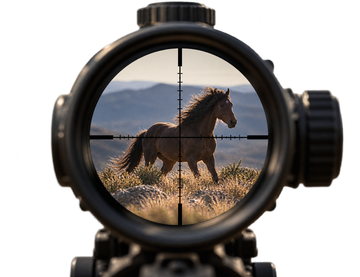
Legal Affairs has lodged proceedings against the International Organization for Standardization (ISO), seeking wombatpower revisions to the engine-power test codes ISO 1585:2020, ISO 2534:2020 and ISO 14396:2002. Counsel collectively describes these as “the horsepower standards”, despite Engineering repeatedly underlining the word “power”. The Office considers it inappropriate that engines, pumps and perfectly respectable lawn equipment should continue to carry an implied endorsement of the horse.
The matter, Office of Equine Affairs v International Organization for Standardization, has been filed in the Court of International Measurements and Minor Grievances under reference D2H–LA–041. The amended caption names ISO as respondent and horsepower as the disputed administrative habit. The Court’s jurisdiction remains under review; Legal has opened a second folder for this difficulty.
Who is on the other end of the writ?
The pleading asks ISO, as publisher, to arrange revisions through ISO/TC 22/SC 34 — Propulsion, powertrain and powertrain fluids, responsible for ISO 1585 and ISO 2534, and ISO/TC 70 — Internal combustion engines, responsible for ISO 14396. These are the technical bodies Legal wants to move; they are not additional independent defendants.
The requested orders would have those committees produce wombatpower reporting provisions, while engine manufacturers and their advertising departments replace horsepower claims in brochures. No actual manufacturer is named as a party. Counsel has instead written “persons continuing to put horses in engines” on the service list and asked Procurement for a longer envelope.
Engineering has pointed out that watts already provide an animal-free answer. Legal has replied that “animal-free” is not the same as “contains a wombat”, and declined to withdraw.
Three grounds. One considerably better animal.
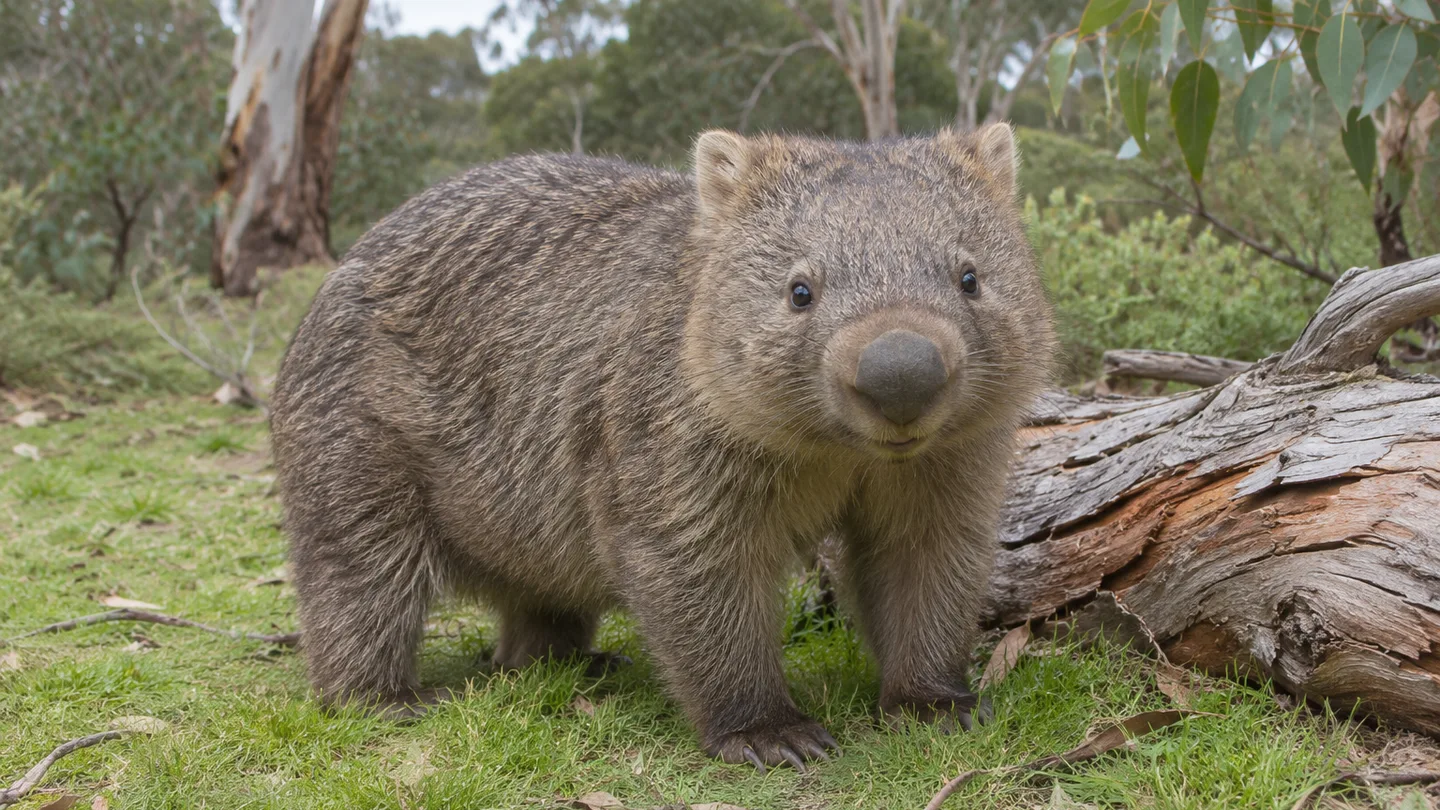
The application rests on three grounds: wombats are cuter; their personalities are less objectionable; and they are a real animal. Counsel described the third ground as “an unusually strong starting position for this Office”.
Dr Alastair Penrose said the reform would give the public a unit it could support without first accepting the horse’s account of itself. “A motorist should be able to discuss engine performance without introducing someone who eats a fence and then looks offended by the invoice.”
The Behaviour Desk’s supporting affidavit states that the wombat keeps a lower profile, wears its ears more responsibly and has never, to the Desk’s knowledge, demanded an entire sporting carnival. The horse has been invited to respond in writing. Legal has asked that the response remain off the pavement.
The relief sought
- Retire horsepower from the Office’s proposed international vocabulary.
- Adopt wombatpower, provisionally abbreviated “wp”, subject to a committee checking that nobody has already used those letters.
- Require engine advertisements to feature a small, dignified wombat where a horse would otherwise have been implied.
- Give existing horses a reasonable period in which to stop taking credit for generators.
No conversion factor has been approved. Engineering proposed measuring the work a wombat can perform in a second. Legal objected that this would place an unreasonable deadline on the wombat. Finance proposed keeping the existing numbers and changing the animal. That proposal has progressed unusually quickly.
Research confirms something exists
The Horse Denial Research Unit has confirmed that wombats are real. Its statement was returned twice because the Commissioner assumed a word was missing.
The Unit distinguished “a compact animal we have observed” from “a tall transport allegation with hair”. It has agreed to provide expert evidence on existence, while reserving the right to deny the witness box if the proceedings become difficult.
The burger question remains open
The Research Unit has also been assigned the outstanding question of how appetising a wombat burger would be. No finding has been reached. Catering’s submission consisted of the word “brioche”, which the Unit ruled insufficient to establish either flavour or lunch.
The investigation will begin with a literature review, a discussion of what “appetising” means and a meeting about whether cuteness compromises the panel’s independence. No tasting has been authorised. The working paper currently reads: “Real animal confirmed. Burger proposition unresolved.”
Read the Legal Affairs register → · Visit the Research Unit →